M.S. in Artificial Intelligence
- Relevant coursework: Data-Intensive Computing, Computer Vision, Data Structures & Algorithms, Data Models & Query Languages
I build production computer vision and multimodal AI systems — from model architecture to deployed pipelines that ship real outcomes.
Currently architecting a dashcam-based computer vision pipeline that automates housing-code-violation detection at city scale. M.S. in Artificial Intelligence, University at Buffalo.
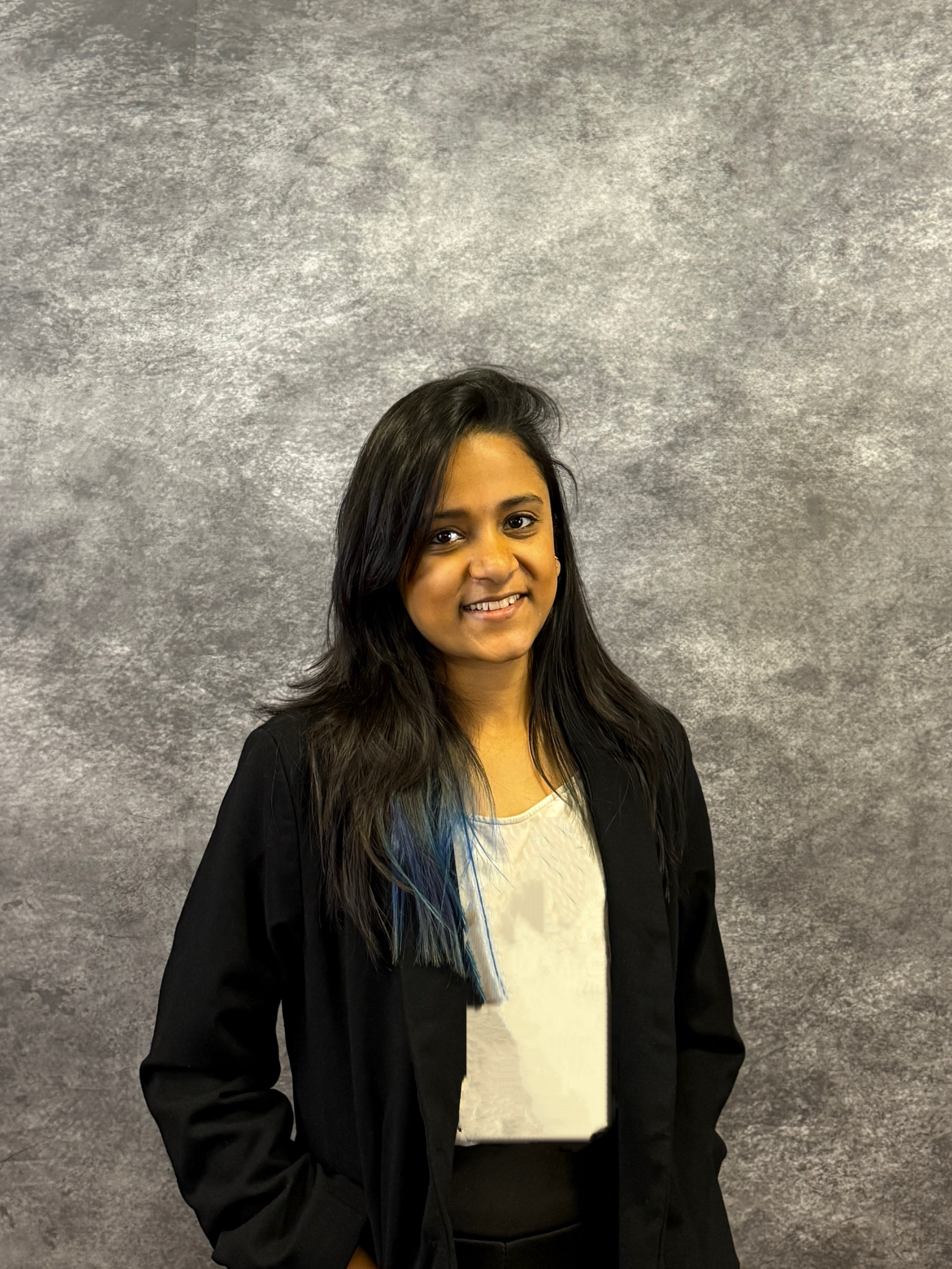
I'm an AI Engineer building computer vision, multimodal AI, and machine learning systems that solve real operational problems. My work spans research, internships, and one live production deployment — converting raw image, video, and structured data into reliable, scalable AI systems.
At Third Estate Analytics, I architected a computer vision pipeline that turns dashcam footage into structured housing-code-violation reports for municipal use — currently running at 90% detection accuracy across a 300,000-parcel dataset. Previously, as a Graduate Research Assistant at the University at Buffalo, I built 3D human reconstruction pipelines using SMPL-X and PyTorch, and engineered distributed simulation testbeds for multi-agent evaluation.
I care about the full lifecycle: model design, data pipelines, evaluation rigor, and the infrastructure (Docker, Kubernetes, FastAPI, Redis) that keeps a system running after the demo ends.
A production computer vision system converting GoPro dashcam footage into structured, address-resolved housing-code-violation reports — built for Third Estate Analytics in collaboration with the University at Buffalo and Erie County municipal stakeholders.
Built on proprietary client infrastructure — code and live demo available on request, pending client confidentiality clearance.
A multimodal deep learning system fusing DistilBERT text embeddings with ResNet-18 visual features to predict movie genres from posters and plot overviews, deployed via an interactive web interface.
A hybrid deepfake detection framework combining unsupervised representation learning with supervised latent-space classification — detects synthetic faces by modeling structured latent distributions rather than surface-level pixel artifacts.
A containerized, cloud-native runtime orchestrating autonomous AI agents — a centralized FastAPI orchestrator coordinates task routing and execution across independent agent microservices via a Redis message queue.
A research pipeline reconstructing full 3D human body meshes from monocular video using SMPL-X parametric models, with a CPU-optimized rendering pipeline and a Gradio-based comparison interface.
A classical computer vision pipeline recognizing faces under heavy occlusion — eyes-and-nose-only inputs simulating masks, low-quality footage, or cropped images.
A Java desktop application managing multi-role e-commerce workflows — Admin, Customer Support, Warehouse, Delivery, Supplier, and Fraud Analyst — with role-specific dashboards and a normalized MySQL backend.
A normalized (3NF) relational data system modeling enterprise e-commerce workflows — customers, products, orders, regional hierarchies — built as part of a Data Models & Query Languages course project.
Team project — repository owned and maintained by a teammate.